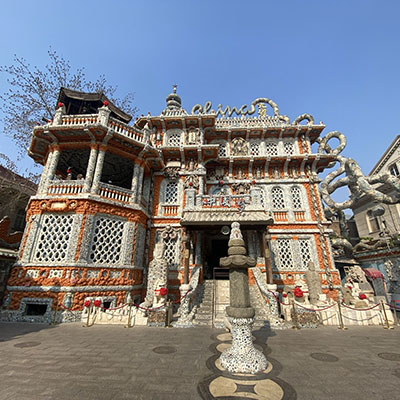
Tianjin’s Most Luxurious 5-Star Hotels
Tianjin, a dynamic metropolis where East collides with West in the most spectacular architectural fashion, is more than just a bustling port city near Beijing. It is a living museum of concession-era grandeur, a hub of cutting-edge innovation, and a destination for discerning travelers seeking an ex
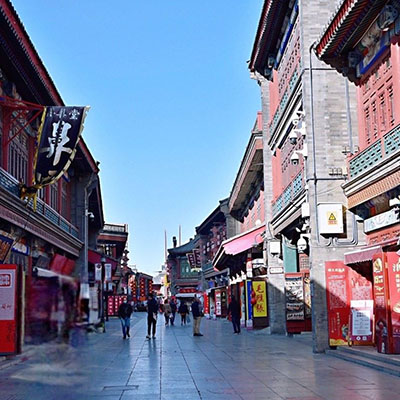
Tianjin Airport to London: International Flight Guide
The journey from the dynamic port city of Tianjin to the historic, bustling capital of the United Kingdom is more than just a long-haul flight—it's a bridge between distinct cultures, cuisines, and experiences. While Beijing Capital often steals the spotlight, Tianjin Binhai International Airport (T
Tianjin’s Business Districts: A Corporate Documentary
The story of Tianjin is often told through its iconic riverfront, the hauntingly beautiful European-style concessions, and the dizzying aroma of goubuli steaming in ancient alleys. But there exists another narrative, one written in glass, steel, and ambition. This is a corporate documentary of a dif
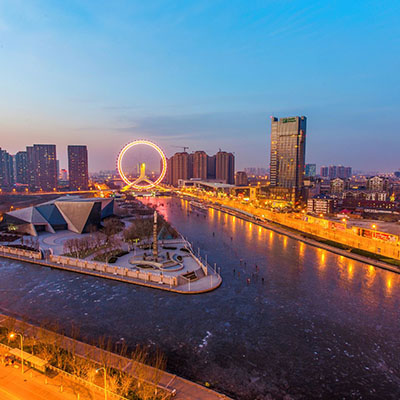
Tianjin’s Best Rooftop Bars with Stunning Views
Forget everything you think you know about Tianjin. Beyond the iconic Italian Style Town and the bustling Haihe River, a vertical revolution is taking place. The city’s skyline, a mesmerizing blend of colonial European architecture and audacious modern skyscrapers, is best appreciated not from the g
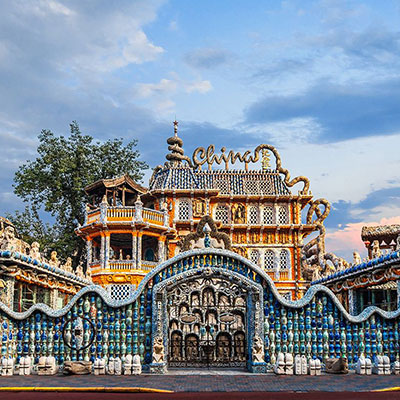
Tianjin’s Best Spots for Eco-Friendly Products
Tianjin often dazzles visitors with its unique blend of European colonial architecture and soaring modern skyline, a testament to its history as a treaty port and its current status as a major economic engine. But for the traveler looking beyond the postcard views of the Five Great Avenues and the H

The Ultimate Tianjin Travel Checklist for Foreigners
So, you’ve booked your tickets to China. Beijing and Shanghai are on the list, but you’ve heard whispers about this intriguing port city just a 30-minute high-speed train ride from the capital. Welcome to Tianjin—a metropolis where European grandeur collides with dizzying modern architecture, where
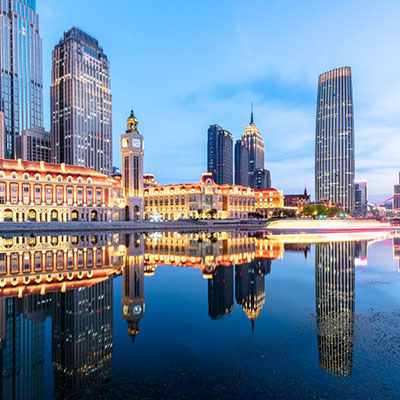
Tianjin Travel Hacks: Saving Time and Money on Transport
Tianjin often sits in the shadow of its colossal neighbor, Beijing, but this port city is a dazzling destination in its own right. With its unique blend of colonial European architecture, cutting-edge modern districts, and a rich, delicious culinary scene, Tianjin promises an unforgettable adventure
Tianjin Golden Week Tours: Avoiding Crowds with Groups
The very phrase "Golden Week" in China evokes a thrilling, yet daunting, image: a nation on the move. For seven days, historic sites become seas of people, train stations turn into endurance tests, and the dream of a relaxing holiday can seem just out of reach. Tianjin, with its captivating blend of
Tianjin’s Hidden Boutiques for Unique Fashion Finds
Most travelers land in Tianjin with a checklist: a photo before the colonial-era banks of the Wudadao, a bite of goubuli baozi, and a stroll along the Haihe River. Few, however, think of this port city as a destination for fashion. Beijing has its avant-garde hubs, Shanghai its glossy luxury malls.
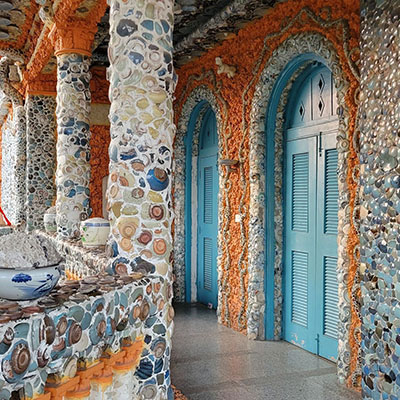
Tianjin’s Transport to Zhou Enlai Memorial Hall
The allure of Tianjin lies in its magnificent contrasts. It’s a city where cobblestone streets of the Wudadao (Five Great Avenues) whisper tales of a colonial past, while the soaring, futuristic curves of the Tianjin Binhai Library shout ambitions of tomorrow. Yet, for many travelers, both domestic
About Us

- Grace Miller
- Welcome to my blog!
Hot Blog
- The Role of Tianjin in the Republican Era
- How to Meet People While Traveling Solo in Tianjin
- Tianjin’s Weather & Shopping Mall Visits
- Tianjin’s Karaoke Culture: When to Join In
- Tianjin’s Best Spots for Custom Tailored Suits
- Tianjin’s Role in Early 20th-Century Chinese Journalism
- Tianjin’s Best Hostels for Budget Travelers from Shanghai
- The Historical Influence of Dule Temple
- How to Experience Tianjin’s Temple Fairs
- Tianjin’s Best Exchange Rates Near Tianjin Zoo